1) Typical Risks on a Bwindi Trek
- Slips and falls on muddy or uneven terrain.
- Minor injuries such as sprains, cuts, and bruises.
- Exhaustion or dehydration on longer routes.
- Altitude-related fatigue (1,160–2,600 m).
- Wildlife-related incidents (rare when rules are followed).
2) First Responders: Rangers & Guides
Every group is led by trained Uganda Wildlife Authority (UWA) rangers and guides who can deliver basic first aid, manage pace, and communicate with the sector headquarters if more help is needed.
- Immediate care: Clean and dress minor wounds; monitor sprains; manage hydration.
- Communication: Radios/phones link teams in the forest to the base for coordination.
- Decision-making: Rangers determine whether to proceed, rest, or begin evacuation.
3) Porters & Stretchers (“African Helicopters”)
Porters (from local communities) are invaluable. They carry daypacks, provide steadying support, and become the backbone of any evacuation.
- Stability & support: Assistance over steep sections and tricky footing.
- Stretcher evacuations: If walking is unsafe, a traditional carry stretcher is mobilized to bring trekkers back to the trailhead.
- Community impact: Hiring porters supports local livelihoods and speeds response times.
4) Medical Posts at Sector Headquarters
Each of the main trekking sectors—Buhoma, Ruhija, Rushaga, and Nkuringo—has a first-aid post at headquarters for initial stabilization.
- Assessment & stabilization: First aid supplies, wound care, and pain relief.
- Referral: Coordination for transfer to nearby clinics or hospitals as needed.
5) Ambulances, Hospitals & Air Evacuation
For serious injuries or acute illness, the response escalates:
- Ambulance transfer: Overland evacuation organized from the sector HQ to the nearest suitable facility.
- Hospitals: Referral options include regional hospitals in Kabale/Kisoro/Kanungu and select private clinics (availability varies by sector).
- Helicopter evacuation: In life-threatening cases, air evacuation can be arranged via providers coordinated by tour operators/insurers, typically using nearby airstrips when conditions allow.
Important: Comprehensive travel insurance with medical evacuation is strongly recommended. Confirm your policy covers trekking and air evacuation.
6) Prevention: Your Best “Emergency Service”
- Train in advance: Regular hikes or cardio help with endurance.
- Right gear: Broken-in hiking boots, gaiters, trekking poles, waterproof jacket, gloves. Packing List for Gorilla Trekking in Uganda #
- Hydrate & fuel: Carry 1.5–2 L of water, electrolytes, and snacks.
- Pace yourself: Communicate with your guide if you need breaks.
- Health disclosure: Share any conditions with your operator/guide before trekking.
- Follow protocols:Heed ranger instructions to minimize risk.
7) What to Do If You’re Injured
- Stop & signal: Tell your guide immediately—don’t push through pain.
- Initial first aid: Rangers will assess and treat minor injuries.
- Decide next steps: Walk out with support, or request a stretcher depending on severity.
- Evacuation: Rangers coordinate porters/ambulance and notify park HQ.
- Documentation: Keep your insurance details accessible for swift authorization.
8) The Role of Communities
Many rangers and porters come from neighboring villages, contributing terrain knowledge and rapid manpower when needed. Gorilla tourism revenue helps fund community services, indirectly strengthening local health and response capacity.
9) Realistic Scenarios & Outcomes
- Sprained or twisted knee: Compressive wrap, trekking pole support, slower pace, or stretch out; clinic check at HQ.
- Exhaustion/dehydration: Rest, fluids, snacks; end trek early if necessary.
- Fracture or serious illness: Stabilize, evacuate to HQ; ambulance to hospital; possible air evacuation as advised by medics/insurer.
10) Safety, Etiquette & Conservation
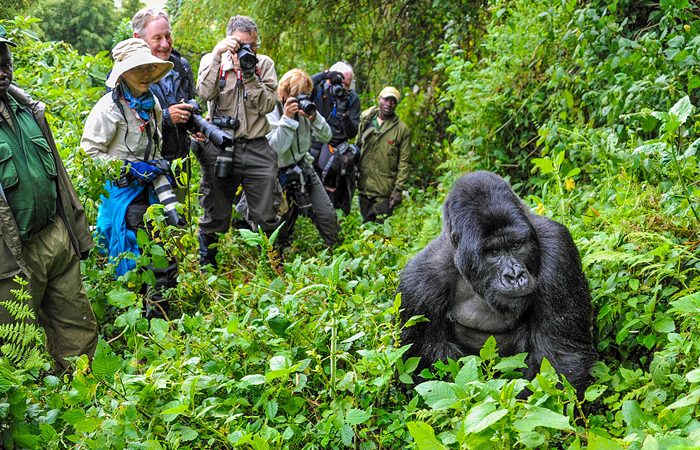
- Distance rule: Maintain 7–10 m from gorillas; avoid sudden movements.
- Health ethics: If unwell, inform rangers; consider masking to protect gorillas.
- Leave no trace: Pack out waste; stay on trails.
Quick Reference: Who Does What?
| Responder |
Primary Role |
When They Act |
| Rangers/Guides |
First aid, pace control, comms with HQ |
Immediately after the incident |
| Porters |
Physical support, stretcher carry |
When walking is unsafe or slow |
| Sector HQ |
Stabilization, logistics & referral |
Upon arrival at the trailhead/HQ |
| Ambulance/Hospital |
Advanced care & imaging |
Serious injuries/illness |
| Air Evac Provider |
Rapid transport to tertiary care |
Life-threatening cases (with insurance) |
FAQs about Emergency Services in Bwindi
Do I need special insurance for Bwindi?
Yes. Choose comprehensive travel insurance that covers trekking, medical treatment, ambulance, and air evacuation. Confirm policy limits and authorization procedures before travel.
Can I request a shorter trek if I’m worried about fitness?
At the morning briefing, you may request a shorter or longer assignment. Final decisions depend on gorilla locations and group ability.
How fast can it help me reach it?
Rangers are with you at all times. Porters and stretchers are mobilized from nearby. Overland or air evacuation timing depends on location, weather, and provider availability.
Suggested External Resources
Final Thoughts
Emergency services in Bwindi are practical and well-coordinated: ranger first aid, porter support, stretcher systems, sector medical posts, and scalable evacuations. With good preparation and the right insurance, you can trek with confidence—focused on the unforgettable moments you came for.