Big Five Safari Destinations In Africa
June 1, 2026
The Benefits Of Group Travel To Africa
June 1, 2026
Kenya’s Best Safari Parks And Reserves: Our Complete Guide
When the topic of an African safari is brought up, Kenya must be one of the first destinations that comes to mind. It is, after all, widely considered the birthplace of the traditional safari and a pioneer of wildlife conservation. A Kenyan safari is an absolute must for anyone looking to see a huge array of wildlife in incredibly diverse landscapes. Home to some of Africa’s most celebrated wildlife destinations—including Maasai Mara National Reserve, Amboseli National Park, Tsavo National Parks, Samburu National Reserve, and Lake Nakuru National Park—Kenya offers safari experiences to suit every type of traveler. However, with so many exceptional parks and reserves to choose from, deciding exactly where to go can be a challenge. That’s why we’ve rounded up Kenya’s best safari parks and reserves to help you plan the ultimate wildlife adventure.
With that in mind, we are highlighting the five places in Kenya for a safari that we feel are the absolute best, from the sweeping plains of the Mara to the rugged wilderness of the north.
Key Takeaways for Your Kenya Safari
- The Ultimate Classic: The Masai Mara remains the crown jewel for predator sightings and the Great Wildebeest Migration.
- Conservation Success: Laikipia is the premier destination for rhino conservation, holding 70% of the country’s black rhino population.
- Unique Species: Head north to Samburu to spot the “Samburu Special 5” – rare animals not found in southern parks.
- Expert Planning: Combining different parks (e.g., a savannah park and a northern arid reserve) provides the most complete wildlife experience.
Comparative Table: Kenya’s Top Safari Destinations
| Safari Park / Reserve | Best Known For | Landscape & Vibe | Best Time to Visit |
| Masai Mara | The Great Migration & Big Cats | Open savannahs, dramatic action | July – October |
| Lake Nakuru | Rhinos & Birdlife | Rift Valley lake, woodlands | Year-round |
| Laikipia | Black Rhinos & Wild Dogs | Exclusive plateaus, conservation | June – September |
| Meru | Untamed wilderness (Born Free) | Riverine forests, off-the-beaten-path | July – October |
| Samburu | The “Samburu Special 5” | Arid, rugged, culturally rich | June – October |
The 5 Best Kenya’s Best Safari Parks
1. Masai Mara National Reserve
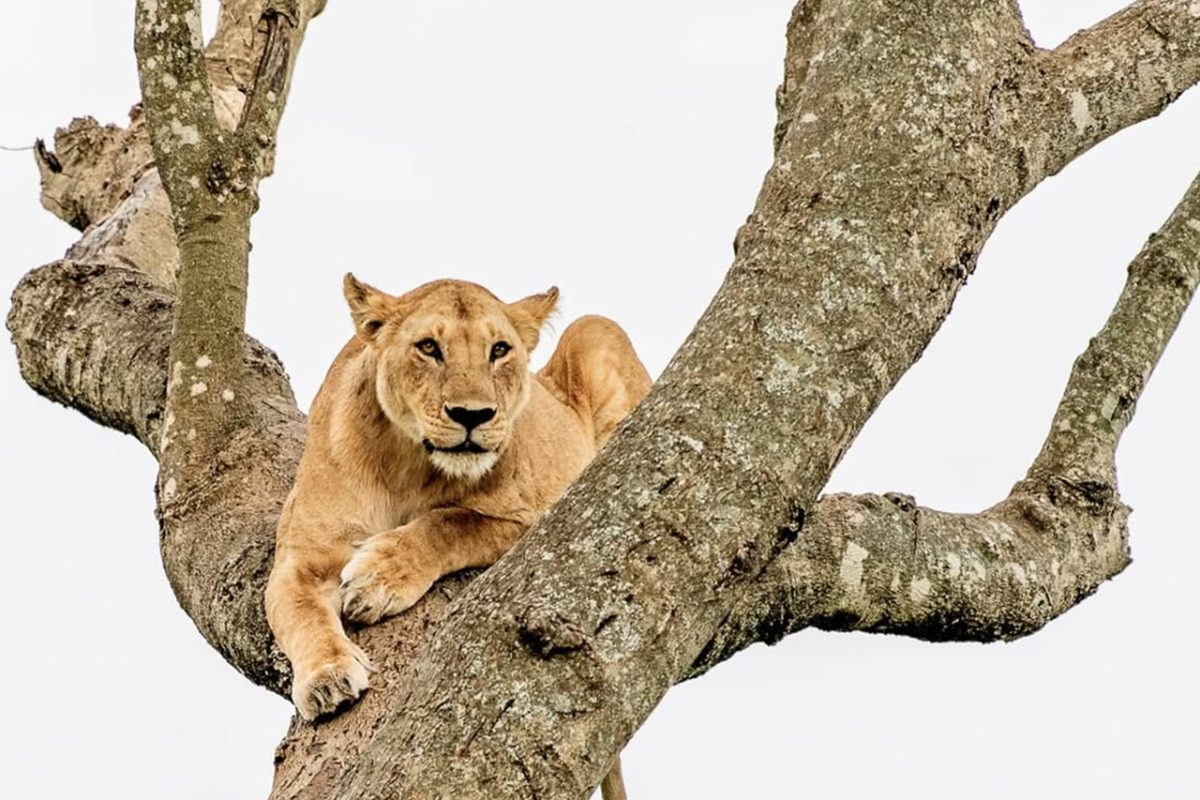
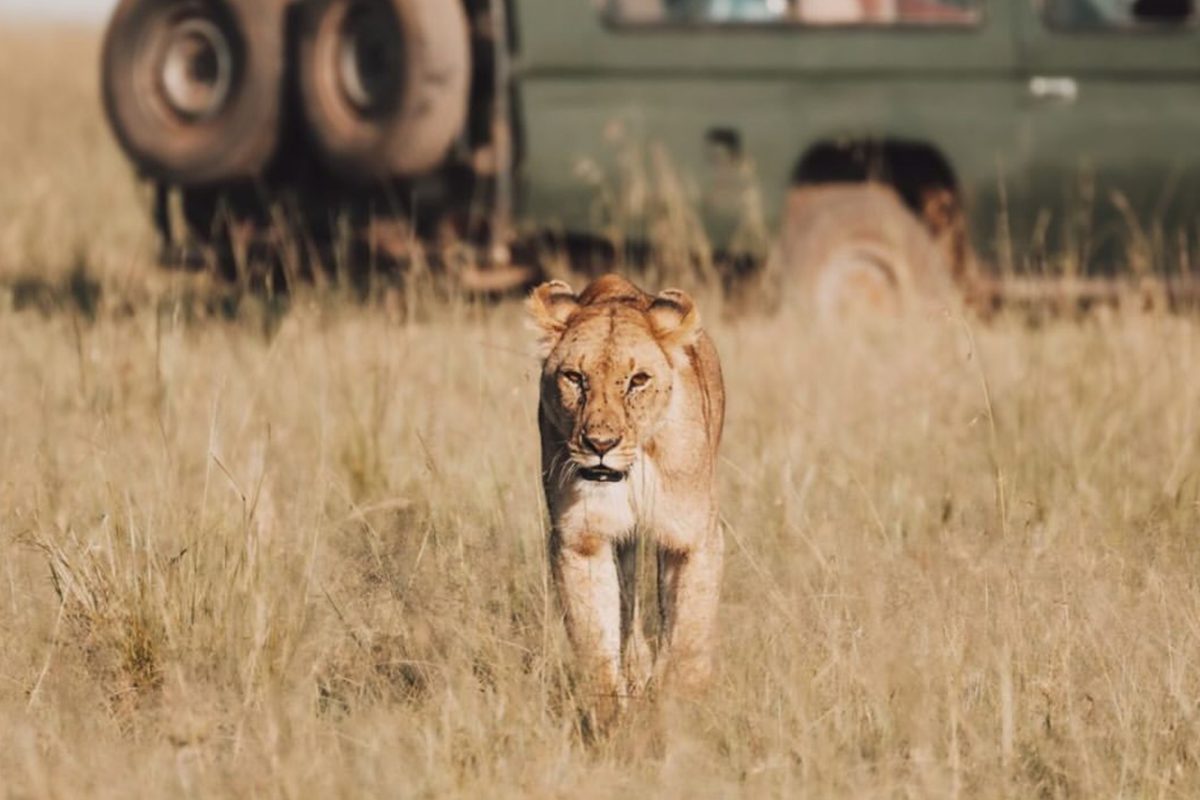
The iconic Masai Mara is widely regarded as the jewel of Kenya’s wildlife viewing areas, and deservedly so. A varied land of savannah woodlands, riverine forests, and vast grasslands, the Reserve is home to an abundant predator population year-round. The chance to encounter prides of lions, cheetahs hunting on the open plains, and leopards stalking in the forests all serve as key attractions.
The Mara is also, of course, home to the ultimate wildlife experience from July through to October, when you will witness thousands of wildebeest making their annual journey across the Mara River during the Great Migration. Some of Kenya’s most revered camps and lodges can be found here, such as the famous Governors’ Camp which sits along the Mara River with a deck perfectly positioned for tracking the migration.
- Top Tip: To escape the busiest crowds inside the main Reserve, consider staying in one of the adjacent private Mara Conservancies (like Mara North or Naboisho), which offer exclusive access and night drives.
Looking to time the migration perfectly? Read our expert guide on the best time for a safari in Kenya and Tanzania.
2. Lake Nakuru National Park – Kenya’s Best Safari Parks
Visitors from around the world are drawn to Lake Nakuru in the Great Rift Valley to witness flocks of flamingos gathering at the lake, as well as the 400+ species of birds which call the Park home. Although the numbers of flamingos and pelicans congregating in the area fluctuate depending on water levels, the birdlife remains spectacular.
It is not just birdlife which gathers at Lake Nakuru in abundance, the Park was declared a rhino sanctuary in 1983 and currently has a very healthy, highly visible population of both black and white rhinos. If you venture south to the forested area below Flamingo Hill you will find the popular lion-spotting region, where you might see lions resting on rocky outcrops, alongside elusive leopards.
- Top Tip: Lake Nakuru is relatively small and enclosed, making it an excellent, highly rewarding day trip or a 1-to-2-night stopover on your way to the Masai Mara.
3. Laikipia
Located to the north of snow-capped Mount Kenya, the high plains of Laikipia are increasingly being recognised as one of Kenya’s premier safari regions. This thinly populated area offers endless vistas and stretches of complete wilderness, providing some of the most extraordinary views found anywhere in the country.
On the wildlife front, the density of the wildlife population in Laikipia ranks second only to the Masai Mara. The area supports more endangered mammals than anywhere else in East Africa, including African wild dogs. Crucially Laikipia’s biggest attraction is its huge number of rhinos. The region, (including famous conservancies like Ol Pejeta and Lewa), is home to an astounding 70% of Kenya’s black rhino population, with over 500 of these magnificent creatures roaming the plains.
- Top Tip: Laikipia is pioneering community-led conservation. It is the best place in Kenya for alternative safari activities, such as horse riding, camel trekking and walking safaris.
Want to see rhinos and the rest of the famed big game? Discover more top locations in our guide to Big Five safari destinations in Africa.
4. Meru National Park – Kenya’s Best Safari Parks
Having been masterfully restored since it fell into neglect amidst out-of-control poaching in the 1990s, Meru National Park is becoming an increasingly popular destination for wildlife viewing. Famous as the setting for Joy Adamson’s book Born Free, (the story of Elsa the lioness), it is still one of the least visited of Kenya’s big Parks. This works entirely in its favour, leaving an unspoiled stretch of land spanning 870 square kilometres just waiting to be discovered.
Meru may not boast quite as many visitors as other well-established Parks, but its wildlife population and game-viewing opportunities match almost any other Park in Kenya. There are increasingly frequent sightings of the Big 5, as well as cheetahs and numerous other savannah species. The streams and rivers which run through Meru are a key feature of the landscape, offering excellent opportunities to spot hippos, crocodiles and the African fish eagle.
- Top Tip: Because Meru is hotter and more humid than the Mara, its landscape is vividly green with tall grasses. A highly experienced guide is essential here to help track hidden wildlife.
5. Samburu National Reserve – Kenya’s Best Safari Parks
Deriving its name from the Samburu people who have been native to the region for many years, Samburu National Reserve is one of Kenya’s smaller Parks compared to the Masai Mara, but it is teeming with life nonetheless. The unrestricted, arid savannah has the Ewaso Nyiro River passing through it, which acts as a lifeline, attracting an abundance of wildlife including a huge population of Nile crocodiles.
The Reserve is most famous for the ‘Samburu Special 5’- rare northern species perfectly adapted to the dry environment. These are the Grevy’s zebra, Somali ostrich, reticulated giraffe, gerenuk and the beisa oryx.
The birdlife at Samburu is also prevalent, with over 350 species. Other Kenyan wildlife present includes cheetahs, lions, elephants, buffalos and hippos. Elusive leopards are also found in the Reserve and are best spotted in the evenings.
- Top Tip: Whilst at Samburu, it is definitely worth making time for a cultural tour. You will visit local villages, interact with the colourful Samburu people in their traditional setting, and gain a deep understanding of their fascinating heritage.
Ready to start planning your bespoke Kenyan adventure? Explore our Kenya safari experiences to find your perfect itinerary.
Why Book Your Kenya Safari with Jomert Gorilla Safaris Ltd?
With over 30 years’ experience in creating tailor-made and bespoke holidays to Africa, there is no one more qualified to advise on the best safari Parks in Kenya. We have a wealth of specialist resources to help you book your perfect trip and are trusted by discerning travellers to create a memorable experience which is not just another holiday, but the journey of a lifetime.
All of our staff have travelled extensively throughout Kenya. You can trust that our personal recommendations will deliver the exact safari tour you have dreamed of. We organise exclusive and private tours, recommend the finest luxury lodges, and arrange for the most knowledgeable guides to escort you.
Ready to start planning your bespoke Kenyan adventure? Explore our Kenya safari experiences to find your perfect itinerary.
8 Frequently Asked Questions (FAQs) About Kenya Safaris
1. What is the best Park in Kenya to see the Big Five?
The Masai Mara is statistically the most reliable Park for spotting lions, leopards, buffalo and elephants. To complete the Big Five, Laikipia or Lake Nakuru are the best additions to your itinerary for guaranteed rhino sightings.
2. When is the best time to visit Kenya’s National Parks?
The long dry season from June to October is generally considered the best time for wildlife viewing, as the bush is thinner and animals congregate around water sources. This is also when the Great Migration reaches the Masai Mara.
3. What is the “Samburu Special 5”?
Found primarily in the arid northern reserves like Samburu, these are five uniquely-adapted species: the Grevy’s zebra, the reticulated giraffe, the gerenuk, (a long-necked antelope), the Somali ostrich, and the beisa oryx.
4. Are Kenya Safari Parks fenced?
Most of the major National Parks and Reserves, such as the Masai Mara, are unfenced, allowing wildlife to migrate naturally across vast ecosystems. Some highly protected rhino sanctuaries, like parts of Lake Nakuru or Ol Pejeta, use fencing to protect endangered species from poachers.
5. How long should a Kenya safari be?
To truly appreciate the diversity of Kenya’s landscapes without rushing, we recommend a safari of 7 to 10 days, splitting your time between two or three contrasting regions (e.g., Masai Mara and Samburu).
6. Is it safe to go on safari in Kenya?
Absolutely. Kenya has a highly established and professional safari industry. By staying in reputable lodges and following the instructions of your expert guides, a safari is a very safe and secure experience.
7. Can I do a walking safari in Kenya?
Yes! Whilst walking is generally not permitted inside the main National Parks and Reserves, the Private Conservancies bordering the Masai Mara, as well as the vast plains of Laikipia, offer phenomenal, expertly-guided walking safaris.
8. What is the difference between a National Park and a Conservancy?
National Parks, (like Lake Nakuru), and Reserves, (such as the Masai Mara), are Government-run and open to the public. Conservancies are privately-managed lands, often leased from local communities. They limit visitor numbers, offer more exclusivity, and permit activities like night drives and off-road driving, which are restricted in National Parks.
Request for A Trip Quote
We would love to hear from you. Fill in the brief form below to get a free quote or advice for your Kenya Wildlife Safari. You can email us directly via info@jomertgorillasafaris.com or reach us on WhatsApp via +256781216998