Night game drives in Uganda Safari Parks
August 14, 2024
Golden Monkey Tracking in Uganda
November 19, 2024
Where to see big cats on a Kenya safari
Kenya is home to more than 2000 lions living in the different safari destinations making it the third largest population on the African continent. Kenya is also home to over 800 leopards and 12,000 cheetahs that have all been adapted to the many habitats, and that is why their numbers are still high. However, leopards are a bit hard to spot during your safari and if you are lucky, you get to see them as they hunt. When we talk about the big cats in Kenya, these include lions, cheetahs, and leopards as these are the first three species that come to mind when big cats are mentioned. Kenya is also home to other wildlife, including wildebeests, zebras, antelopes, hares, and many more others, including the big five, which the three big cats are part of.

masai mara kenya safaris
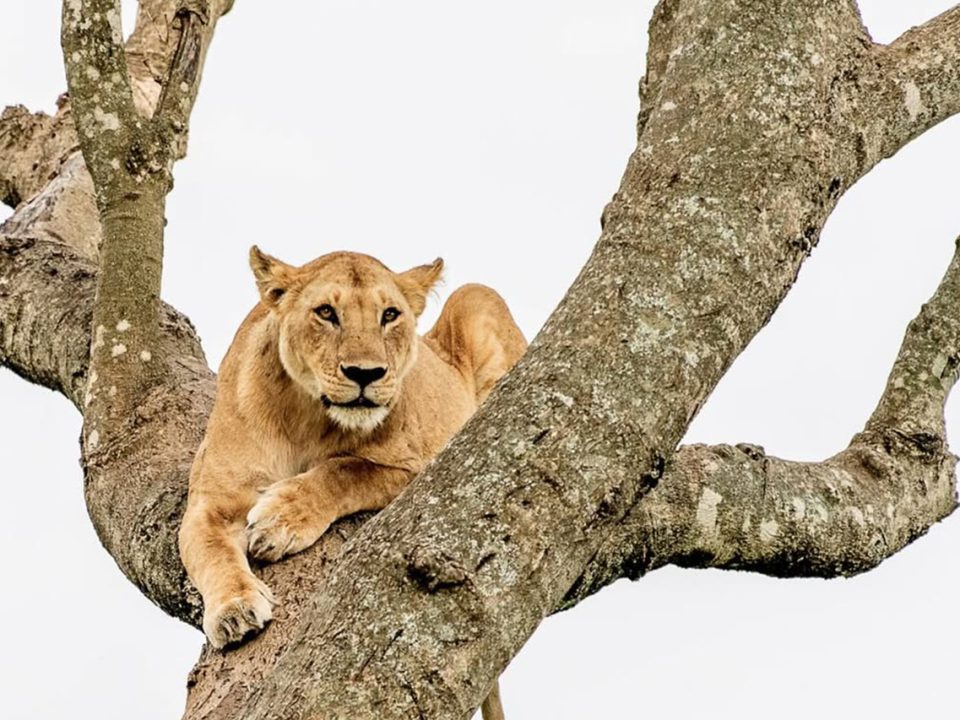
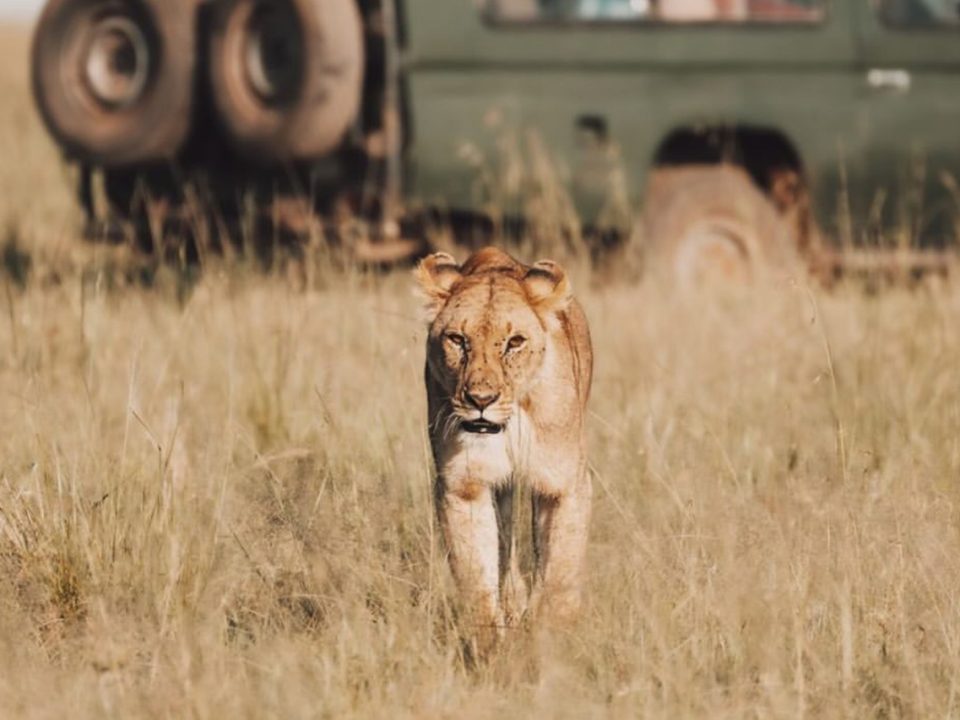
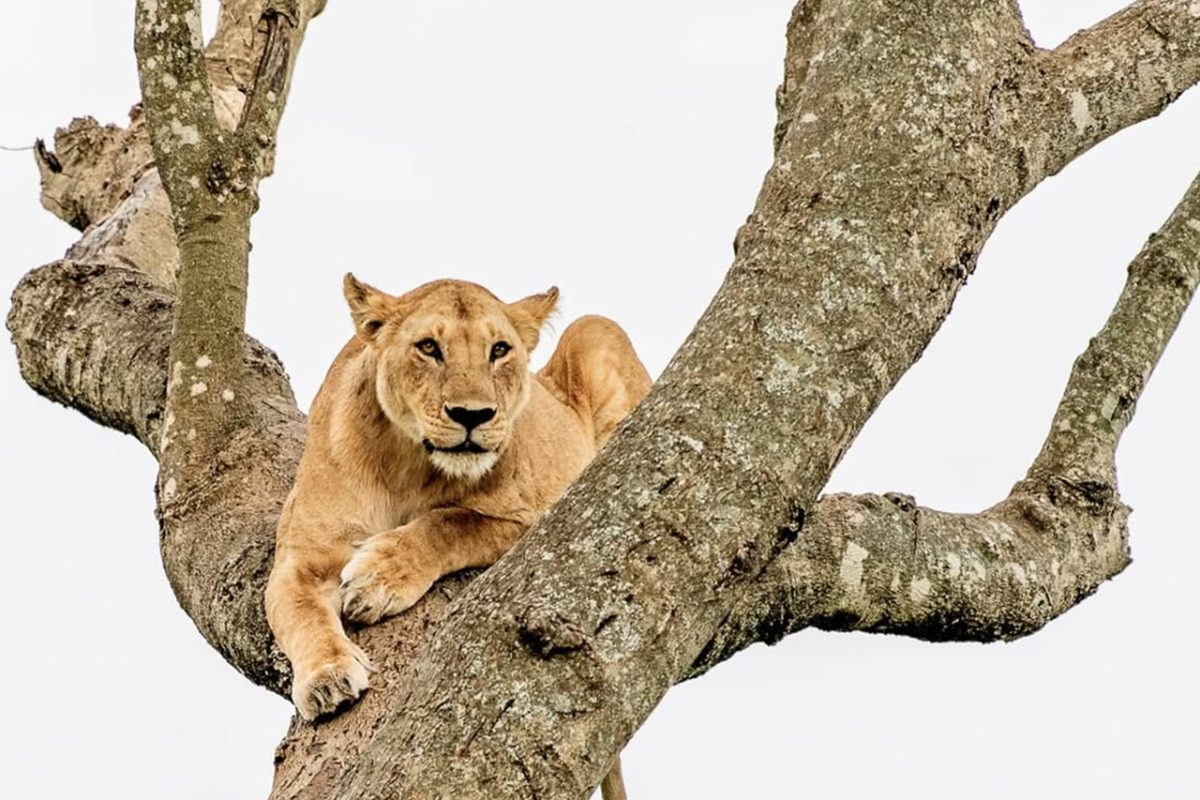
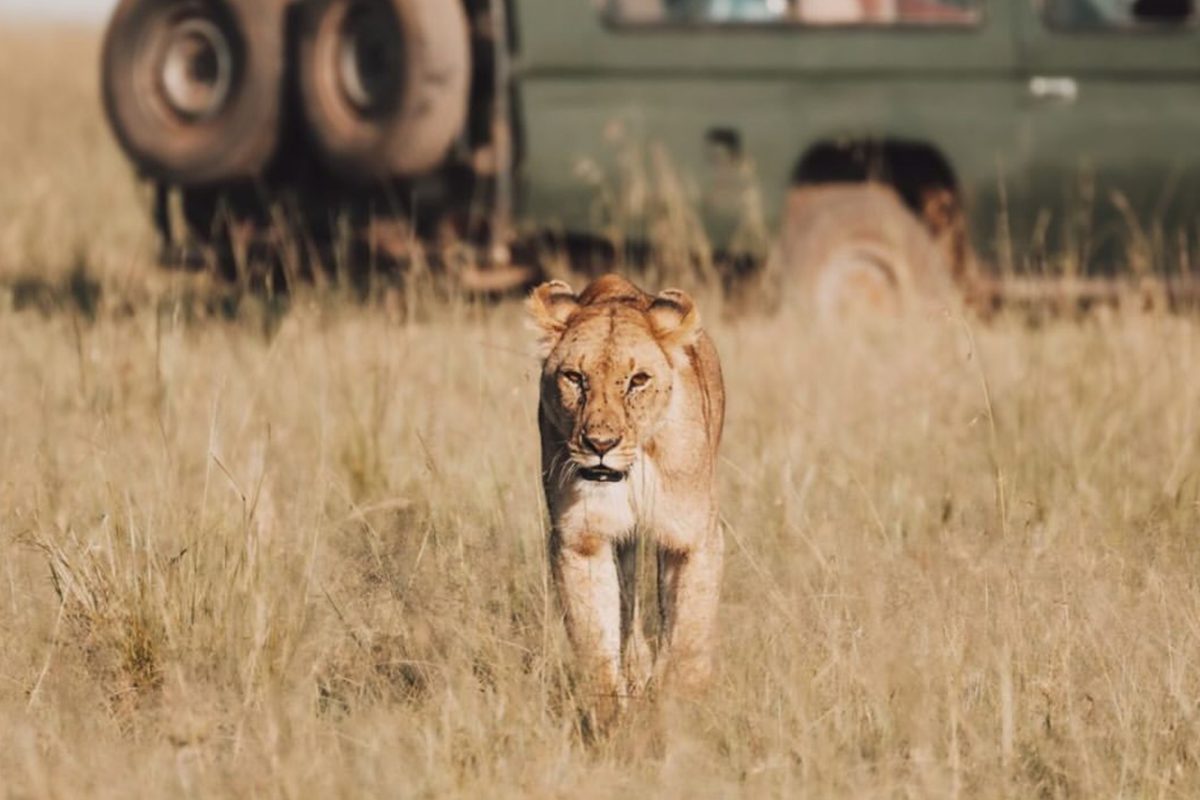
The big cats: African lions: African lions are predators and can almost be found in many National Parks and Reserves in Kenya, including Amboseli National Park, Lake Nakuru National Park, Masai Mara National Reserve, Nairobi National Park, and Samburu National Reserve. They prefer dense shrubs, open woodlands, and grasses and tend to avoid the rainforests.
Lions as cats do not have vertical slits for eyes as domestic cats but rather round, which typically helps them to easily spot and hunt their prey. The good vision of the lions is due to their round eyes, which help them easily hunt at night, letting in more light. One fact that you need to know about lions is that if there is a lot of food, lions eat 15% of their body weight es, especially the males, and this is known as putting themselves in a food coma. They live in a pride of 25 lions, including multiple females with one dominant, 1 to 4 males, semi-adults, and cubs. Lions feed on anything that they can hunt, including zebras, gemsbok, buffaloes, and wildebeests, among others.
The big cats: cheetahs: Cheetahs, also known as Acinonyx Jubatus, are the fastest cats in the world, elegant in speed and, at the same time, rare to spot on a safari in Kenya. Cheetahs are solitary animals keeping to them and although they are similar to leopards, there are a few distinct features that set them apart from the leopards, starting with the size, tear marks running from the different corners of the eyes to the side of the nose and the mouth which makes it more recognizable.
As earlier stated, cheetahs are solitary animals, with females only meeting with the males for procreation purposes; the female cheetahs rear the young ones alone, ensuring that they can survive on their own, leaving the cubs to care for themselves at 18 months. Male cheetahs stay together for life whereas the females leave the group when they are about two years. Some of the wildlife species that make up the diet of a cheetah include gazelles, porcupines, wildebeests, impalas, zebras, and hares among others.
The big cats: Leopards: Just like cheetahs, leopards are amazing hunters and their body structure allows them to carry prey half their size up the trees where they normally rest up after hunting. They are fast animals, running at a speed of 58 km/h; the male leopards differ from the females in a way that they are heavier, have large paws and heads, and are stockier, weighing about 60kgs. Female leopards protect their cubs in lairs that are found in different dense bushes away from the predators. The lairs are rearranged every day to increase the safety of the cubs. The best places to spot leopards in Kenya include Hell’s Gate National Park, Tsavo East and Tsavo West National Park, and Samburu National Reserve, among others.
In this guide, we shall be able to discuss the top` big cat safari locations in Kenya.
Masai Mara National Reserve
Masai Mara is the top safari destination for watching the big cats with over 900 lions living in the reserve and the private conservancies. Located at the border of Kenya and Tanzania, a visit to the Reserve will guarantee spotting of many of the big cats during a game drive with an experienced guide. Mara North Conservancies have the Naboisho and Seketa pride that you can easily come across during your guided walking safari. The reserve is also home to the Musiara pride which has been highlighted and featured in several movies.
A large population of cheetahs can also be spotted in the southern part of the Reserve and note that Masai Mara is among the top four cheetah safari locations in East Africa. The leopards in Masai Mara Reserve normally live deep in the riverine woodlands, and although they are harder to spot, you can still be lucky to spot the leopards as they come out of the trees to hunt.
The best time for spotting the big cats in Masai Mara National Reserve is from June to October during the dry season.
Tsavo West and East National Parks
Tsavo National Park is the largest Park in Kenya cov, where over 23,000 kilometres have a continuous flow of cats throughout the year. Tsavo is home to the second largest pride which has over 675 lions. Tsavo lions are best remembered as the man-eaters who attacked and scared the railroad construction workers during the 1900 construction of the Uganda Railway where about 35 people lost their lives. Just like the male lions found in South Africa, the Tsavo male lions do not have manes distinguishing them from the rest. However, if you are looking at leopards and cheetahs, Tsavo is not the best place for you to go since they are scarce and prefer to live deep in the forests which makes it hard to spot them.
Amboseli National Park
Amboseli National Park is one of the top tourist destinations in Kenya and although small as compared to others, Amboseli has the largest elephant population in the country. Amboseli National Park is home to about 200 lions one of the largest in the country and these can be spotted all year round. Previously, Amboseli had the largest lion population in Kenya but with constant fights for grazing land with the locals, poaching in the area increased which led to the death of many lions reducing their number significantly to the current 200 lions living in different prides. Amboseli National Park has a large cheetah population shared with the Selankay Conservancy but leopards are hard to find here.

Samburu National Reserve
Samburu National Reserve is one of the most visited reserves in Kenya located in Northern Kenya. Covering over 535 square kilometres, the reserve is home to one of the largest leopard populations in the country. Samburu is home to about 50 lions and although there has been a rumour about cheetahs in the area, the sights are rare and you can spot one or two in one of the three reserves that are found in the Kalama Conservancy. Many of the big cats of Samburu National Park can be found along the Ewaso Ngiro River which is also home to a large number of which makes it an ideal palace for the cats to rest and hunt their prey.
Ol Pejeta
Also known as the Laikipia Conservancies, Ol Pejeta is best known for having a significant number of both the white and black rhinos which were mostly poached into extinction in the different national parks in Kenya. Ol Pejeta is home to 20 leopards, and 30 cheetahs and has about 6 to 7 lion prides which have a maximum of 90 animals each. The prides in the conservancy are easy to track because some lions have radio collars. One of the brides is the brotherhood pride which is located in the eastern part of the conservancy has 24 members and is one of the most tracked among all the prides in Ol Pejeta. The best time to spot the big three cats in Ol Pejeta is during the dry season when many of them are out hunting and cooling off from the heat.
Lake Nakuru National Park
Lake Nakuru National Park is located right in the centre of the rift valley and is known to be home to about or over 100 black rhinos and a large concentration of both lesser and greater flamingos. Despite having suffered the most when it comes to big cat poaching in the late 20th century, the population has greatly increased because of the efforts of the conservancies and other well-wishers. Lake Nakuru National Park is a good place to watch lions with over 65 lions and leopards that are best seen from the yellow-backed fever trees that are scattered across the national park.
Nairobi National Park
Nairobi National Park is the only park that is located within the city center in the whole world and sits on about 140 square kilometres. There is a fair opportunity of spotting lions in Nairobi National Park as it has 39 lions in total. The number might not be as high as the lion population in other national parks, reserves and conservancies, but tourists can still catch the big cats in action as they rest and hunt especially during the dry season.
Lewa
Lewa is popular for the large population of Rhinos and it is part of the Laikipia Conservancies. It is an important place for the big cats as many of the big cats have been protected through conservation. Lewa has a sizeable cheetah population, there are a few leopards which are rare to spot and there are about 44 lions in total. Many of the lions that are found in Lewa are fitted with collars for easy tracking, and to easily study their migration habits and movements.
Meru National Park
Meru National Park is home to a wide range of wildlife species and was home to the lioness Elsa who was mentioned in ‘Born Free’. The park was home to large populations of big cats in the 20th century but around the 1970s, the population greatly reduced due to poachers taking over the park and these nearly eradicated all the big cats and other wildlife species including rhinos and elephants. With efforts from the conservation and rehabilitation, lions were brought back into the park early 2000s and the process has so far been effective as of today there are over 80 lions in Meru National Park. Along the border, where the riverine forests are found along River Tana you will find a high population of leopards.
When is the best time to see the big cats in Kenya?
The big cats in Kenya can be spotted all year round however the best time is during the dry season from June to October and December to February. The dry season is considered to be the best time for various reasons some of which are that during the dry season, the grass has thinned out which makes it easy to spot the big cats and due to the heat, many of them can be seen hovering around the watering holes. The dry season however is a peak and expensive season with large crowds unlike the wet season from March to May which is perfect for low crowds and tourists on a budget. The rainy season is a good time to spot the cubs because it is a calving season for many of the big cats.
The big cats in Kenya can be seen in their natural habitat and conservancies and as you plan to go for a safari to one of the above safari destinations in Kenya, you need to plan by first getting a visa on time, contacting a trusted tour operator and ensuring that you have done extensive research on the big cat safari destination chosen. We are here to help you plan your Kenyan safari combining an eco-friendly and adventurous safari for you. Feel free to contact us about booking and planning a safari trip to Kenya where to see the big cats.